01
The ship knows. The berth finds out too late.
The ship knows which part of its ballast plan is unreliable. The terminal knows which draught it can accept. Those facts rarely meet before arrival.
Ballast water training for Port Authorities, terminals and the ships that call at them. Built on a serving Chief Officer's experience of what goes wrong at the berth, and how to catch it before arrival.
When a ship's ballast water treatment system can't hold the planned intake rate, cargo operations slow down to keep the ship stable. The ship stays alongside longer, the next call is rescheduled, and the berth planner often finds out once the ship is already there.
Without the right know-how, avoidable delays and environmental findings quietly eat into the budget, on board and ashore.
Illustrative figures: Pontus Bohlin's estimate from his own experience as Chief Officer, not a measured average.
So the system breaks down again on the next call. The fix is a plan built on facts the ship and the berth share before arrival.
The ship knows which part of its ballast plan is unreliable. The terminal knows which draught it can accept. Those facts rarely meet before arrival.
Critical alarms acknowledged but not acted on are what inspectors find. That is how a technical fault becomes a finding, a fine or a detention.
The berth planner needs a timing update. The person responsible for the environment needs the facts about the affected water. They are different messages.
A focused online programme that teaches officers, engineers and port staff to make the ballast decisions their roles require, and to make them in time.
A paid six-week pilot at one terminal, with one participating ship operator and up to 12 learners. Fee and success criteria are agreed before we start, and there is no automatic roll-out.
Pick one berth and nominate a marine-operations lead and an environmental lead.
An example where earlier ballast information would have changed a decision.
We agree what a better outcome looks like and send a fixed-fee proposal.
Learners take the course, the simulated port call and the individual test.
A locally reviewed pre-arrival ballast worksheet and a contact and notification guide.
A findings report compares simulated calls before and after training. You decide whether to extend.
Prices in US dollars. Every engagement is confirmed in a written fixed-fee proposal.
The educational platform is being built now. Pilot participants get access once the agreed course and online test are ready, and we demonstrate the learner experience and agree the access date with you before anyone enrols.
Pontus has served as Chief Officer on M/T Prospero, named Tanker of the Year 2021 at the Tanker Shipping & Trade Awards. The routines behind the Academy come from the same cargo control room.
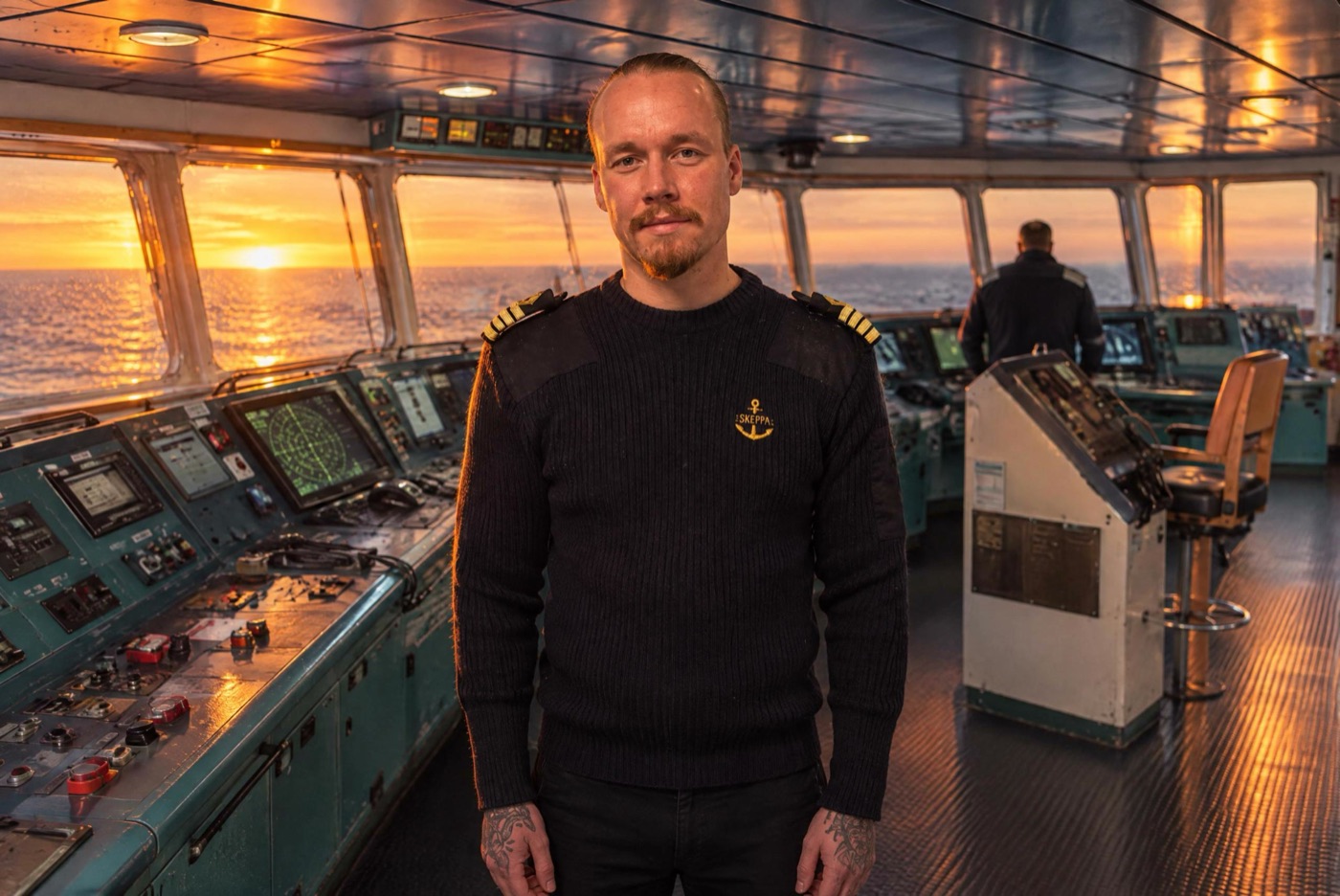
Pontus Bohlin is a Swedish master mariner and serving Chief Officer in oil and chemical tanker operations. He started as an ordinary seaman and cadet and worked his way up through second officer and chief officer to master, with steadily greater responsibility for safety, people and operations.
As Chief Officer he has planned ballast from the cargo control room at tidal river berths, where the treatment system could not always hold the planned rate. Changing the plan to take ballast before arrival kept those departures on time, and taught him that the ship and the terminal need to share their facts before the ship arrives.
He has served on oil and chemical tankers, Ro-Ro and passenger ships, container ships and icebreakers, and has been part of many successful vettings. He knows OCIMF requirements, SIRE 2.0 and ISGOTT well, and how they translate into practical work on board.
"The ship knew which part of its plan was unreliable. The terminal knew which draught it could accept. The time to put those facts together was before arrival."Pontus Bohlin
Sea service & certification
Pontus’s experience is built on service on board, from cadet and ordinary seaman to chief officer on tankers and master. Here is every vessel, every position and every course on record.Source: sea service record from the Swedish Transport Agency’s seafarer register, November 2026.
| Vessel | Position | Years | Sea days |
|---|---|---|---|
| PACIFICOOil/chemical tanker | Chief OfficerEuropean trade | 2025 | 64 |
| EVINCOOil/chemical tanker | Second Officer → Chief OfficerEuropean trade | 2020 · 2024–2025 | 277 |
| KUNG MÄRTAPassenger vessel, inland waters | MasterInland waters | 2023 | 18 |
| SOLEROOil/chemical tanker | Second OfficerEuropean trade | 2023 | 30 |
| PROSPEROOil/chemical tanker | Second Officer → Chief OfficerOcean-going · European trade | 2022 | 131 |
| BONITOOil/chemical tanker | Deck cadet → Second OfficerOcean-going | 2018 · 2021 | 149 |
| SOLANDOOil/chemical tanker | Third Officer → Second OfficerEuropean trade · Ocean-going | 2020–2021 | 253 |
| EXCELLOOil/chemical tanker | Deck cadet → Second OfficerEuropean trade | 2017 · 2019–2020 | 176 |
| TUNDRALANDRo-Ro | Deck cadetEuropean trade | 2019 | 36 |
| VISBORGRo-pax ferry | Ordinary seamanOcean-going · Near-coastal | 2019 | 4 |
| VISBYRo-pax ferry | Ordinary seamanNear-coastal | 2019 | 5 |
| STENA VISIONRo-pax ferry | Ordinary seaman & Deck cadetNear-coastal | 2017–2019 | 75 |
| ATLEIcebreaker | Deck cadetNear-coastal | 2017 | 29 |
| ATLANTIC CONCERTConRo (container/Ro-Ro) | Deck cadetOcean-going | 2015–2016 | 78 |
Sea days as reported by the shipping companies to the seafarer register. Filled dots mark tankers.
| 2024 | Medical Care, refresher | Safetygruppen & Navigationsgruppen |
| 2024 | Advanced fire fighting, refresher | Safetygruppen & Navigationsgruppen |
| 2024 | Survival craft and rescue boats, refresher | Safetygruppen & Navigationsgruppen |
| 2022 | Basic Safety, refresher | Öckerö Maritime Center |
| 2022 | Advanced fire fighting, refresher | Öckerö Maritime Center |
| 2022 | Survival craft and rescue boats, refresher | Öckerö Maritime Center |
| 2022 | Basic training for ships subject to the IGF Code | Shipgaz Training |
| 2019 | Master Mariner degree | Kalmar Maritime Academy |
| 2019 | Deck Officer Class V | Kalmar Maritime Academy |
| 2019 | Engineer Officer Class VIII | Kalmar Maritime Academy |
| 2019 | Oil tanker cargo operations, officer level | Kalmar Maritime Academy |
| 2019 | Chemical tanker cargo operations, officer level | Kalmar Maritime Academy |
| 2019 | Gas tanker cargo operations | Kalmar Maritime Academy |
| 2019 | Tankerman, gas tankers | Kalmar Maritime Academy |
| 2019 | Dangerous goods | Kalmar Maritime Academy |
| 2019 | Advanced fire fighting | Kalmar Maritime Academy |
| 2019 | Survival craft and rescue boats | Kalmar Maritime Academy |
| 2019 | Medical Care | Kalmar Maritime Academy |
| 2019 | Medical First Aid | Kalmar Maritime Academy |
| 2019 | GOC (GMDSS) | Kalmar Maritime Academy |
| 2019 | Crisis management | Kalmar Maritime Academy |
| 2019 | Ship Security Officer (SSO) | Kalmar Maritime Academy |
| 2015 | Basic Safety | Kalmar Maritime Academy |
| 2015 | Seafarers with designated security duties | Kalmar Maritime Academy |
| 2015 | Basic oil and chemical tanker cargo operations | Kalmar Maritime Academy |
Clearly scoped assignments for tanker operators, with an evidence log and prioritised recommendations.
A focused view of whether PMS data, defects and critical spares give operational control, with an evidence register, quick wins and an implementation plan.
Discuss a pilot scopeCredible evidence that priority systems and ways of working are ready. Gaps, actions and ownership gathered in a usable readiness register.
Discuss your needFor operators seeking consistent workflows and stronger system use across several ships, from pilot to playbook and fleet roll-out.
Plan the next stepThat is what the pilot is for. We compare how participants handle a simulated call before and after training: did someone spot an unacceptable draught before arrival, and how much warning did the berth planner get? Those are results your own team can judge. We don't promise a fixed number of berth hours saved on the strength of a simulation.
Most delays don't start with a broken system but with a plan built on a rate the ship can't count on. The course is about routines and information sharing, so a stalled system doesn't become a late departure or an environmental finding.
No. Bohlin Maritime is independent. The course teaches the requirements of IMO's Ballast Water Management Convention and its amendments, but it is not endorsed by or run in collaboration with IMO.
No. The Bohlin Maritime Certificate of Completion records that a learner passed the assessed course. It is not a statutory certificate and does not authorise anyone to operate a ship's equipment.
No. The ship remains responsible for its approved ballast water management plan and its equipment. Port staff learn to review the facts with the ship and ask in time.
The course takes one day online and can be done before arriving in port, from anywhere. The pilot needs one berth, two named leads and one example call from you.
Send us a message and we'll send a one-page summary of the pilot and the price that you can share internally, or we'll join a meeting with the people who decide.
Tell us about your port, terminal or fleet and one call where earlier ballast information would have changed a decision. We'll come back with a proposal for a first step.
We usually reply within two working days.
No cookies or tracking when you visit this site.
Enquiries are handled under GDPR and kept for no more than 6 months.